Water Damage Restoration Mableton, GA
Pipe split in the freeze, a basement taking on water or a sewer backup in Mableton? Local restoration pros extract it, dry the structure to IICRC S500 and log every reading for the claim.
Get extraction rolling on the wet floorsOpen 24/7: (888) 532-4616
Shut the main valve if water is still moving, then call. Photos taken before cleanup help the claim.
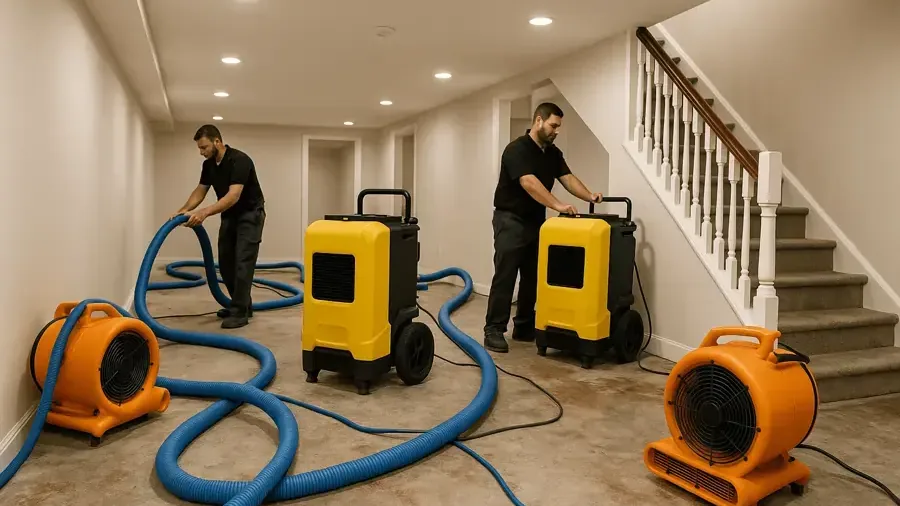
Four moves that limit the damage before the crew arrives
Stop the source
Close the main shutoff, often in the basement, the crawl space or at the meter by the street, or the valve at the fixture.
Cut power to wet rooms
Switch off breakers for flooded rooms if the panel sits in a dry spot. Never stand in water to reach it.
Photograph everything first
Take wide shots and close-ups of every wet room and item before anything moves. Insurers read these first.
Lift, then call
Move rugs, papers and furniture off wet floors, then call to get extraction and drying started.
Water Damage Restoration Services in Mableton, GA
Fourteen water losses that homes and businesses across ZIP 30126 call about most, from red clay basement seepage to crawl space pipes that split in a hard freeze.
 Water Extraction and RemovalTruck-mounted and portable extraction pulls standing water out of carpet, pad and hard floors before drying gear goes down.Open the service
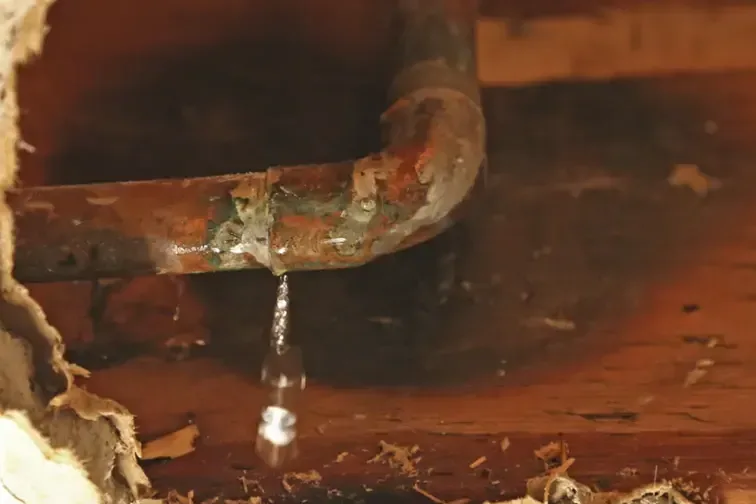
 Burst Pipe Water DamageCopper, galvanized and polybutylene supply lines that split inside walls and ceilings, extracted and the cavities dried.Open the service
 Frozen Pipe Water DamageCrawl space, attic and outside-wall pipes that crack in a hard freeze and let go on the thaw.Open the service
 Slab Leak Water DamagePressure leaks under slab floors traced by a plumber, then the flooring lifted and the concrete dried.Open the service
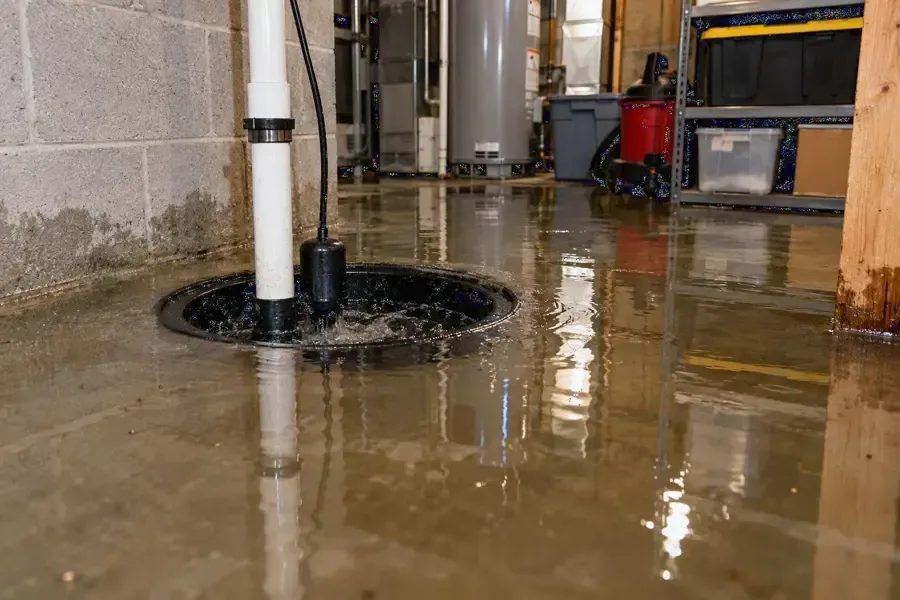
 Basement Flooding CleanupDaylight and finished basements cleared after clay soil seepage, a failed sump pump or a floor drain backup.Open the service
 Crawl Space Water RemovalWater pooled on the vapor barrier pumped out, sagging insulation pulled and the joists dried to a measured goal.Open the service
 Storm and Flash Flood CleanupCreek overflow and storm runoff handled as Category 3, with porous materials removed below the water line.Open the service
 Roof Leak Water DamageThunderstorm and tropical-rain leaks at shingles, flashing and vents, with wet attic insulation pulled and ceilings dried.Open the service
 Ceiling Leak Water DamageUpstairs bath, supply and HVAC drain leaks traced, the drywall opened safely and the joist bays dried.Open the service
 Water Heater Leak CleanupBasement, garage and closet tanks that rust through or blow a relief valve, extracted and dried.Open the service
 Appliance and Supply Line LeaksWasher hoses, dishwasher, ice maker and toilet supply leaks pulled out of floors and cabinet bases.Open the service
 Structural Drying and DehumidificationFraming, subfloor and wall cavities dried with LGR dehumidifiers until readings sit within 2 to 4 points of dry.Open the service
 Sewage Backup CleanupToilet, floor drain and cleanout backups contained, removed and treated with an EPA-registered antimicrobial.Open the service
 Commercial Water DamageOffices, shops, churches and apartment buildings along Veterans Memorial Highway dried in phases to keep doors open.Open the service
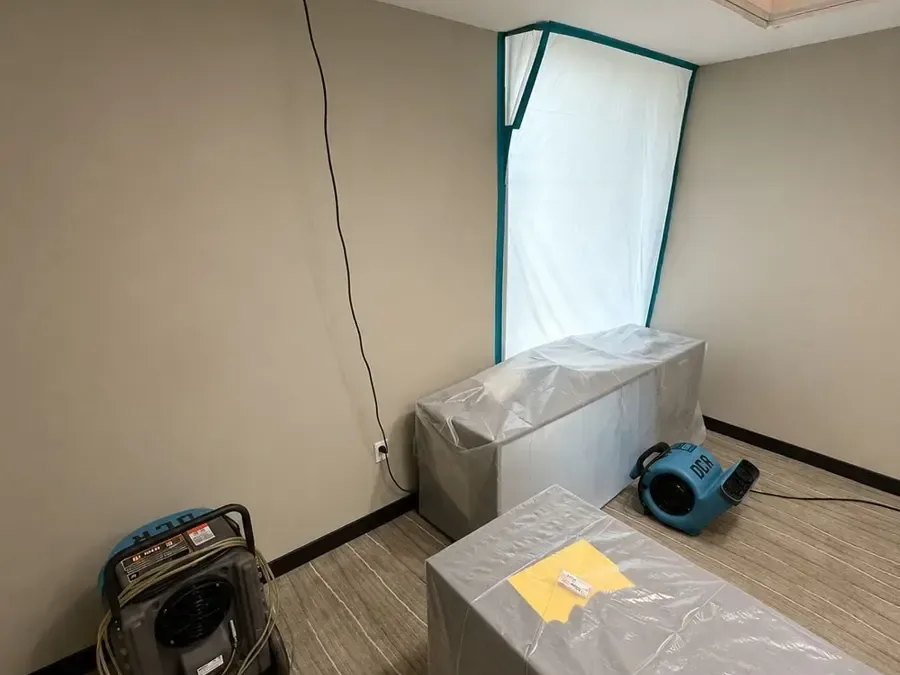
Drying plans built around south Cobb basements and crawlspaces
The restoration team extracts standing water, dries the structure to the IICRC S500 standard and documents each step for the insurer, from the first call to the final reading.
Dispatch around the clock
The response team sends the nearest available crew with pumps, meters and drying gear, nights and weekends included.
A measured finish line
Equipment comes out when readings match a dry reference in the same building, not when a wall looks dry.
Claim-ready records
Moisture maps, daily psychrometric logs and timestamped photos taken before any demolition go into the file.
Clay, creeks and crawlspaces
Red clay seepage, creek-side lots and crawlspaces under postwar ranches are routine work for the drying team.
Structural drying measured against IICRC S500, start to finish
IICRC S500 is the industry standard for water damage restoration. It is why a finished dry-out follows the same order every time, and why the job ends on a reading instead of a guess.
- 01
Map the moisture
Thermal cameras and pin and pinless meters find which walls, floors and cavities hold water before any equipment is placed.
- 02
Pull the standing water
The extraction crew removes water from carpet, pad, hard floors and basement slabs, the step that cuts the most drying time.
- 03
Size the drying setup
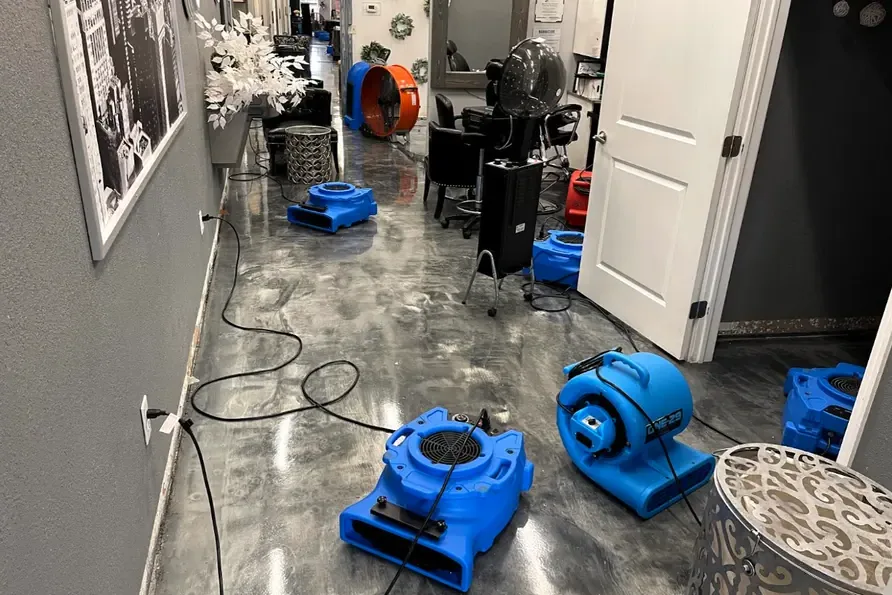
Air movers and LGR dehumidifiers are matched to each room's evaporation load, with desiccant units for hardwood, concrete and tight crawl spaces.
- 04
Read it dry, every day
Readings go into the log daily, and the equipment leaves only when wet materials sit within 2 to 4 points of a dry reference.
Every water category, each handled its own way
Category 1, clean water
Supply lines, burst and frozen pipes and water heaters caught early. Often dried in place with extraction and dehumidifiers.
Burst pipe water damageCategory 2, gray water
Washer and dishwasher discharge, toilet overflows without waste and clean water left standing too long. Cleaned, then dried.
Appliance and supply line leaksCategory 3, black water
Sewage backups and creek or storm flood water. Porous materials it touched are removed and surfaces treated before drying.
Sewage backup cleanupWhat does water damage restoration cost in Mableton, GA?
Water damage restoration here typically runs from about $1,000 for a contained clean-water leak to $12,000 or more for a flooded basement or a sewage loss. The water category, square footage, material class and how fast drying started move the number most.
Contained, one area
$1,000 to $3,000- Clean water caught early
- Extraction and drying in place
- Daily moisture readings
Several rooms or a basement
$3,000 to $7,500- Drywall or flooring sections removed
- Several dehumidifiers running
- Cavity or crawl space drying
Contaminated or widespread
$7,500 to $12,000+- Sewage or creek flood water
- Containment and antimicrobial
- Full structural drying
These are typical ranges, not a quote. For a planning number, try the water damage cost calculator or the drying time estimator, then compare it with an on-site moisture map.
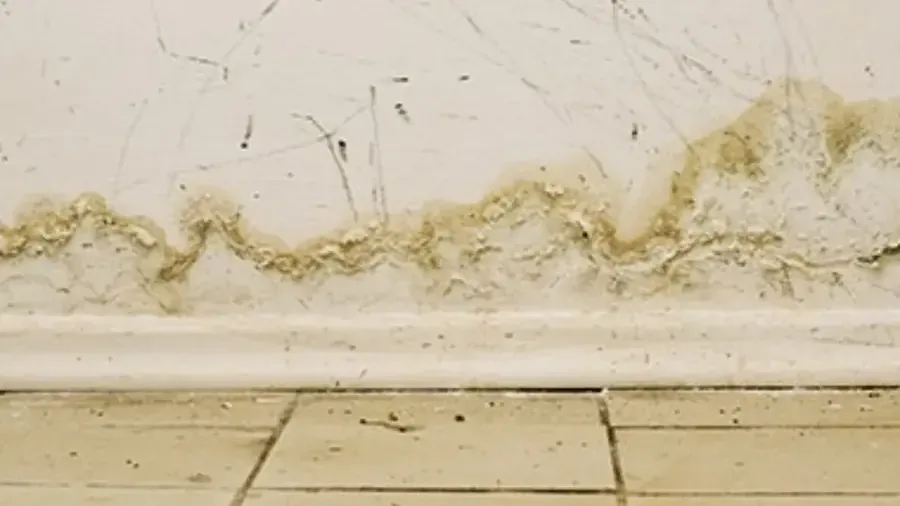
What extraction, tear-out and structural drying look like inside a house
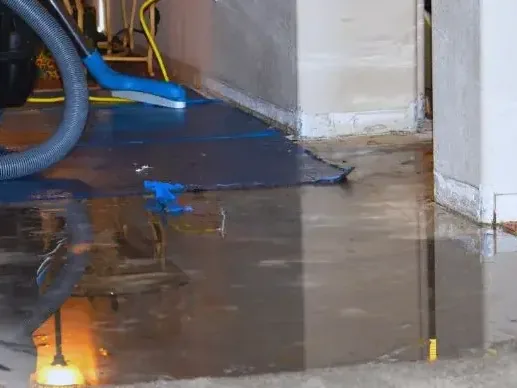
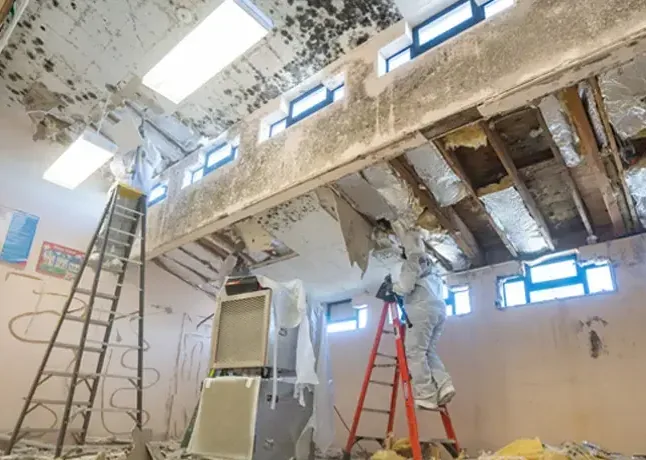
What the claim file should hold
A water claim is decided on the file. A complete one shows the insurer what got wet, how wet it was and how it was dried.
A moisture map drawn on the first visit
Daily psychrometric and moisture readings in a log
Timestamped photos taken before any drywall comes out
The water category and the class of the loss
A line-item scope of the extraction and drying
Water damage help across Mableton and south Cobb County
Neighborhoods and corridors
One call puts a drying crew on the road, day or night
Restoration pros who serve ZIP 30126 work around the clock, weekends and holidays included.
Have the cross street ready and say which rooms are wet and where the water came from; the response team uses that to load the right pumps, meters and dehumidifiers.
ZIP 30126 · [email protected]
Open day and night, every day of the year
Find us on Google Give the cross street and the wet roomsWhy Mableton homes take on water
Red clay soil, creek-side lots and a housing stock that runs from postwar ranches to 1990s basements decide which water losses show up most in ZIP 30126.
- Red clay basements Dense Piedmont clay drains slowly and holds water against foundation walls, so daylight and finished basements take on seepage after long rains.
- Crawlspaces under postwar ranches Homes from the 1950s to the 1970s often sit on vented crawlspaces where pooled water and wet insulation go unseen for weeks.
- Polybutylene supply lines Many houses built from the late 1970s to the mid 1990s still carry gray polybutylene, which can split at the fittings without warning.
- Hard freezes, uninsulated pipes Pipes in crawlspaces, attics and outside walls are rarely built for deep cold, and the Christmas 2022 freeze split pipes across metro Atlanta.
- Creek and river ground Lots near Nickajack Creek and the Chattahoochee River take storm runoff fast, and that water is handled as Category 3 from the start.
September 2009 flood Days of rain across west metro Atlanta, an estimated 10 to 20 inches in places, pushed Sweetwater Creek and other south Cobb creeks over their banks.
Water damage questions from south Cobb households
How fast can a crew get to a house in ZIP 30126?
Restoration pros work around the clock, and the nearest available crew is sent once the call comes in. Timing depends on the hour, the weather and how many losses are open across the county, so shut off the water while you wait.
Does homeowners insurance cover water damage in Georgia?
Sudden and accidental water, like a burst supply line or a failed water heater, is often covered after the deductible. Slow leaks, seepage and rising flood water are usually treated differently. Coverage depends on your policy, so check with your own insurer.
What causes most water damage around here?
Clay soil seepage into basements, water pooling in crawlspaces, polybutylene and copper supply failures, pipes that split in hard freezes, and creek or storm runoff near Nickajack Creek and the Chattahoochee River lead the list.
How long does drying take after a water leak?
A contained Class 1 loss, one room with low-porosity materials, often dries in three to five days. Hardwood, concrete, finished basements and crawl space framing take longer. Equipment comes out when readings match a dry reference, not on a set date.
What is the IICRC S500 standard?
IICRC S500 is the published standard for water damage restoration. It sorts losses by water category and drying class, sets how moisture is measured, and spells out when wet materials come out instead of being dried.
What should a homeowner do before the crew arrives?
Stop the water at the main or the fixture valve, switch off power to wet rooms if the panel is dry, photograph everything and move rugs and valuables up. Leave wet drywall and carpet in place for the crew to assess.
When does drywall have to be cut out?
Drywall comes out when sewage or flood water touched it, when it sags or crumbles, or when it stayed wet long enough to break down. Clean water caught early can often be dried in place through small vent holes along the base.
Why is sewage handled differently from a pipe leak?
Sewage is Category 3 water from the moment it backs up. Crews wear protective gear, set containment, remove porous materials it touched and apply an EPA-registered antimicrobial at its dwell time before any drying starts.
How is the cost of water damage restoration figured?
The water category, the square footage that got wet, the material class and how fast drying started set most of the price. A line-item scope lists extraction, equipment days, removal and antimicrobial so the insurer can follow each charge.
Can a basement that floods every heavy rain be dried for good?
Drying removes the water that got in, but seepage through clay soil comes back until drainage, grading or a sump system is fixed. The drying team documents where the water entered so a waterproofing contractor knows where to start.
Water in the basement, the crawl space or the kitchen floor right now?
The longer it sits, the further it wicks into floors and framing. Call and get drying started.